A lead submits a form at 9:12 a.m., receives a generic email at noon, and gets a sales call two days later. That gap is where paid traffic, referrals, and hard-won inbound interest disappear. Learning how to automate GoHighLevel leads is less about adding more workflow steps and more about creating a dependable response system that routes each person to the right next action.
For agencies, service businesses, and multi-location brands, GoHighLevel can manage the core lead process well. The challenge is designing automation that reflects how your business actually sells. A workflow should support your team, not bury them in duplicate tasks, poorly timed messages, and contacts that no one owns.
Start With the Lead Journey, Not the Workflow Builder
Before building anything in GoHighLevel, map what happens from first contact through qualification, appointment, sale, and post-sale follow-up. This may sound basic, but it prevents a common failure: automating a broken manual process faster.
Define where leads come from and what information each source provides. A Facebook lead form may supply a name, phone number, and campaign name. A website quote request may include service type, budget, location, and project timeline. A referral might arrive through a staff member with almost no structured data.
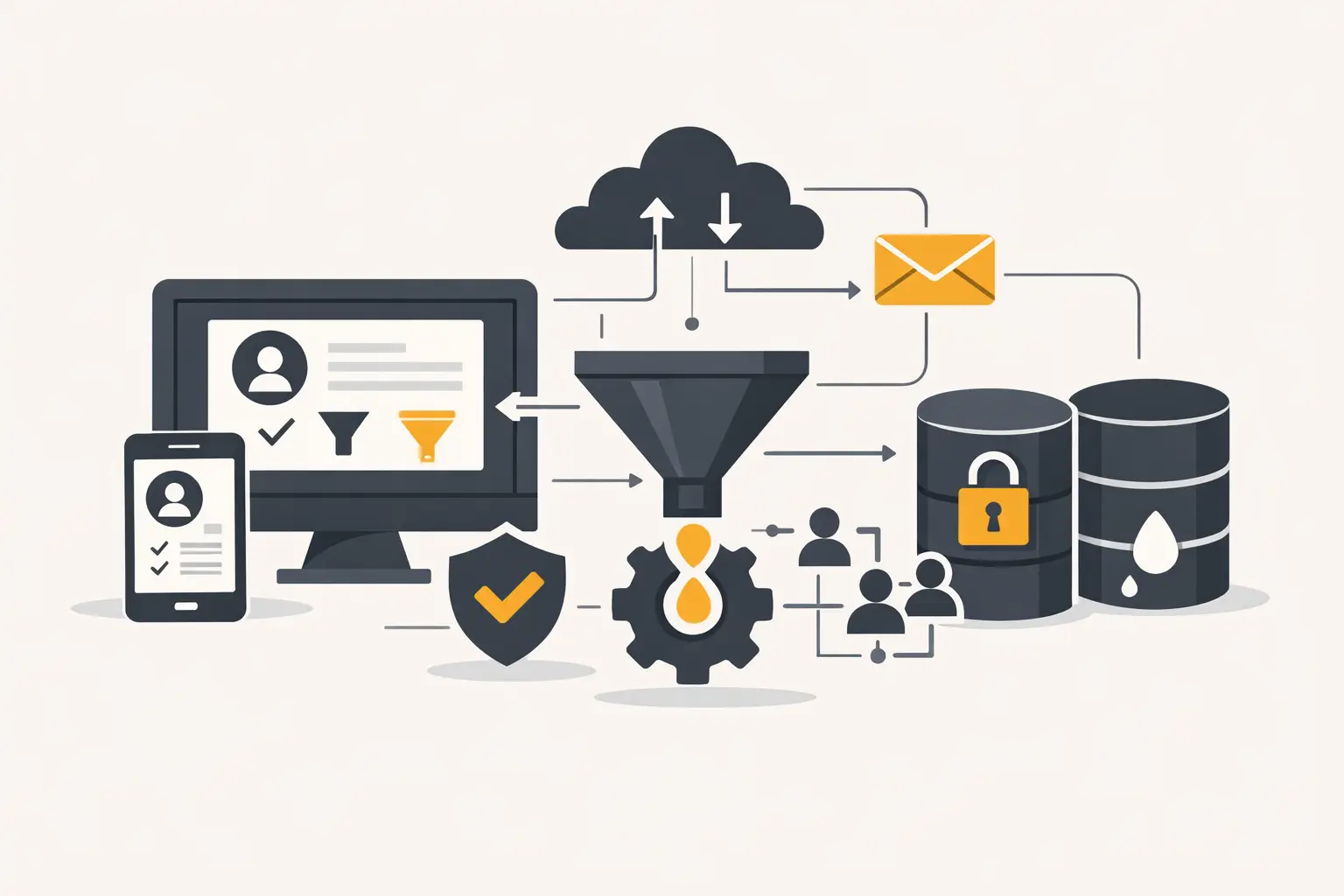
Then decide what must happen immediately after capture. Usually, that means creating or updating the contact, assigning a source, applying a tag, placing the lead in the correct pipeline stage, notifying an owner, and sending an appropriate first response. The exact sequence depends on sales volume and team structure. A founder-led business may need one clear notification. A larger agency may need territory-based assignment and escalation when no one responds.
The goal is a system with clear answers to three questions: Where did this lead come from? Who owns it now? What is the next required action?
How to Automate GoHighLevel Leads From Every Source
Use a consistent entry point wherever possible. Native GoHighLevel forms, surveys, chat widgets, calendars, inbound calls, and social lead ad integrations can all trigger workflows. When leads enter through external platforms, use webhooks or API integrations to send the data into GoHighLevel in a standardized format.
The word standardized matters. If one source stores service interest as "Web Design," another uses "website," and a third leaves the field blank, routing rules and reporting become unreliable. Create a small data model before connecting sources. At minimum, capture lead source, service or offer, location when relevant, lead status, assigned user, and consent status for SMS or email outreach.
Custom fields should store information you expect to report on or use in automation. Tags are better for temporary labels or campaign markers. For example, "Google Ads" might be a durable source field, while "Spring Promo 2026" can be a tag. Mixing the two makes a sub-account harder to maintain over time.
Duplicate control also belongs at the entry point. Match contacts by email and phone number where possible, then decide how updates should work. A repeat inquiry from an existing customer should not create a separate lead with no history. It may need a new opportunity, but it should usually remain connected to the same contact record.
Route Leads Based on Business Rules
Speed-to-lead is valuable, but speed without ownership creates confusion. Configure routing around rules your team can actually honor.
A simple service business might assign every new inquiry to one sales representative. A marketing agency may assign based on client account, service category, or geographic territory. An ecommerce support inquiry may need to bypass sales entirely and create a task for customer service. GoHighLevel workflows can make these decisions using conditions tied to custom fields, tags, form responses, pipeline stages, and appointment status.
Create the opportunity only after you know which pipeline it belongs in. Businesses that use one pipeline for every type of inquiry often lose visibility into conversion rates. New sales, partnerships, support, recruitment, and existing-client upsells usually need separate pipelines or clearly distinct stages.
Assignment also needs a fallback. If a lead owner is unavailable, unresponsive, or assigned too many new contacts, the system should alert a manager or send the lead to a backup queue. This does not need to be complicated. A timed check for an unchanged pipeline stage or missing outbound activity can create an internal notification and a follow-up task.
Build Follow-Up Around Intent and Consent
The best first response acknowledges the action a prospect just took. Someone requesting a website development estimate should not receive the same message as someone booking a GoHighLevel consultation. Use workflow branches to tailor the first email or SMS to the service, campaign, or form selection.
Keep automated messages useful and short. Confirm receipt, set expectations for timing, and offer one practical next step, such as scheduling a call or replying with a project detail. Avoid long sequences that continue after a person has booked, replied, or been marked unqualified.
This is where workflow exit conditions matter. A lead should generally leave or change paths when they book an appointment, reply to a message, reach a specific pipeline stage, or become a customer. Without these conditions, contacts receive irrelevant reminders after a real conversation has started.
For SMS, treat consent as a required data point, not an afterthought. Automated text campaigns must respect applicable consent requirements, quiet hours, opt-out requests, and the policies of your messaging provider. GoHighLevel can support the operational side, but compliance depends on how your forms, disclosures, and workflows are configured.
Use Automation to Create Human Accountability
Automation should not replace sales judgment. It should make sure human work happens at the right moment.
A strong workflow can notify the assigned representative immediately, create a call task, and escalate internally if no contact attempt is logged within a defined window. After an appointment is booked, it can send reminders, update the opportunity stage, and prepare the representative with form answers or source details.
The trade-off is notification fatigue. If every tag change, email open, and page visit creates an alert, your team will stop trusting alerts altogether. Reserve internal notifications for actions that require a person to make a decision or contact someone. Let routine record updates happen quietly in the background.
For higher-value leads, consider a manual qualification checkpoint before enrollment in a longer nurture sequence. This is particularly useful for custom software, ecommerce migrations, and other services where the wrong fit can consume significant sales time. Automation can collect the details, but a qualified conversation still needs context.
Connect GoHighLevel to the Systems That Hold the Real Data
GoHighLevel becomes more valuable when it reflects the systems your business already depends on. That may include a custom application, ecommerce platform, accounting tool, scheduling system, help desk, or data warehouse.
Native integrations are appropriate for straightforward use cases. For more specific requirements, webhooks and APIs can send lead data between systems, update records after a sale, or trigger operational work after qualification. A custom integration is justified when manual exports, inconsistent statuses, or repeated copy-and-paste are affecting response time or reporting accuracy.
Do not connect systems simply because an integration is available. Every connection creates ownership questions: Which platform is the source of truth for contact data? What happens when values conflict? How are failed requests retried? Who receives an alert when an API credential expires?
For businesses with custom workflows, a small middleware service can be more maintainable than forcing complex logic into a single automation platform. It can validate incoming data, translate field values, log errors, and keep sensitive business rules under version control. This approach is often a better fit for agencies managing multiple client accounts or businesses with a proprietary sales process.
Test for Failure Before You Turn It On
A workflow is not finished when it works once. Test new leads from every source, duplicate submissions, missing fields, booked appointments, replies, opt-outs, reassigned users, and leads that return weeks later. Check what the contact sees, what the sales team sees, and what appears in pipeline reporting.
Pay special attention to workflow re-entry settings. A contact who submits two forms may need a second opportunity, but they may not need to receive the same welcome sequence twice. Similarly, automations that add tags or update fields can accidentally retrigger themselves if their conditions are too broad.
Review performance monthly. Look at first-response time, appointment rate, contact rate, pipeline conversion by source, and the number of leads with no assigned owner or next task. These numbers reveal whether automation is improving operations or simply generating more activity.
A dependable GoHighLevel lead system is built in layers: clean intake, sensible routing, focused follow-up, reliable integrations, and regular review. Start with the moments where leads currently wait, get lost, or receive the wrong response. Fix those first, then expand automation only when each added step has a clear business purpose.
Frequently Asked Questions
- Map the full lead journey — from first contact through qualification, appointment, and post-sale follow-up — before building any workflow. This prevents a common failure: automating a broken manual process faster instead of fixing it.
- Standardize the data before connecting sources. Create a small data model capturing lead source, service or offer, location, status, assigned user, and consent status, so routing rules and reporting stay reliable across Facebook forms, website requests, and referrals.
- Custom fields should store durable information you'll report on or use in automation, like lead source. Tags are better for temporary labels or campaign markers, like a specific promotion name. Mixing the two makes a sub-account harder to maintain over time.
- Based on business rules your team can actually honor — by client account, service category, or territory — using conditions tied to custom fields, tags, form responses, and pipeline stage. Routing also needs a fallback: if an owner is unresponsive, the system should alert a manager or send the lead to a backup queue.
- Without exit conditions, leads keep receiving automated messages after a real conversation has already started. A lead should generally leave or change paths when they book an appointment, reply, reach a specific pipeline stage, or convert to a customer.
- Reserve internal notifications for actions that require a person to make a decision or contact someone. If every tag change or email open triggers an alert, the team will stop trusting alerts altogether — let routine record updates happen quietly in the background.
- When manual exports, inconsistent statuses, or repeated copy-and-paste work are affecting response time or reporting accuracy. A custom integration or middleware service can validate data, translate field values, log errors, and keep business rules under version control — especially useful for agencies managing multiple client accounts.
- Test leads from every source, duplicate submissions, missing fields, booked appointments, replies, opt-outs, and reassigned users. Pay close attention to re-entry settings — a contact submitting two forms may need a new opportunity but shouldn't receive the same welcome sequence twice.